Fines for illegal dumping in Notting Hill and appeal options
Posted on 05/07/2026

Fines for Illegal Dumping in Notting Hill and Appeal Options: What to Do, What to Expect, and How to Challenge a Notice
If you have received a penalty notice, or you are simply trying to avoid one, the stress is real. Fines for illegal dumping in Notting Hill and appeal options are one of those topics that sounds straightforward until you are the one dealing with a bin bag left beside a wall, a mistaken allegation, or waste put out in the wrong place after a rushed move. In a busy part of west London, with shared bins, tight streets, and constant turnover, misunderstandings happen more often than people think.
This guide explains how illegal dumping fines usually arise, what an appeal process can look like, and how to respond calmly and effectively. You will also find practical prevention tips, a comparison of your options, and a checklist you can use before matters get worse. If your situation involves bulky items, a tenancy exit, or a pile of builders' debris that appeared faster than your weekend plans, you are in the right place.
Why Fines for Illegal Dumping in Notting Hill and Appeal Options Matters
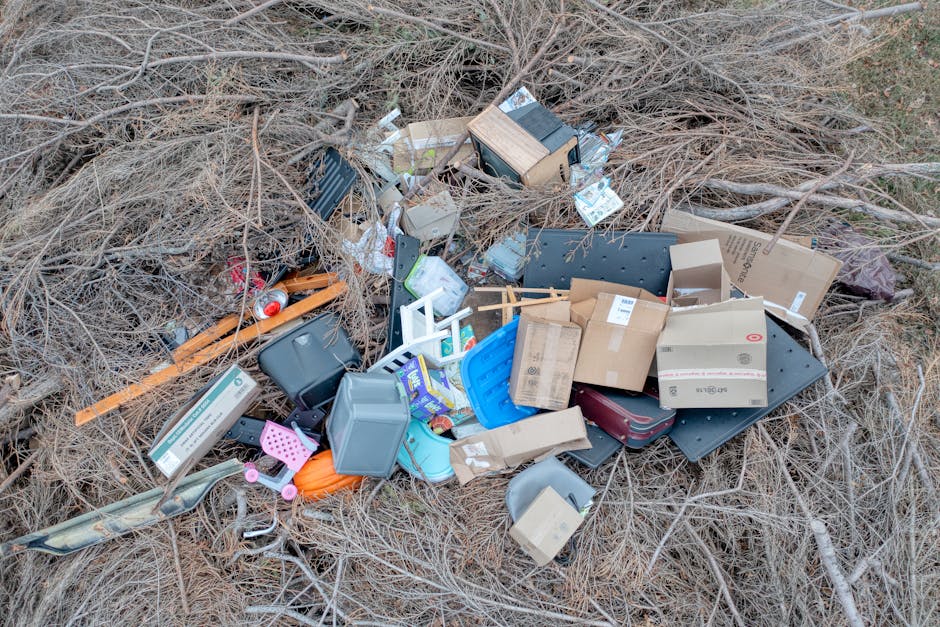
Illegal dumping is not just an eyesore. It blocks pavements, attracts more waste, creates tension between neighbours, and can lead to enforcement action that lands on the wrong person if records are thin. In Notting Hill, where residential buildings, shopfronts, and managed estates sit close together, a single bag left in the wrong place can quickly become a bigger issue.
That is why understanding fines for illegal dumping in Notting Hill and appeal options matters for both residents and businesses. If waste is abandoned, fly-tipped, or placed beside communal bins without permission, you may face a fixed penalty notice or another form of enforcement. But there is a second part to the story: not every notice is automatically correct, and not every recipient is the right person.
From a practical point of view, acting quickly can save time, money, and a lot of back-and-forth. It also helps preserve local goodwill. Let's face it, nobody wants to be the person responsible for the pile that sat under the railings near a smart mews for two damp days. That smell lingers, and so does the memory.
For anyone managing waste more carefully, you may also find it useful to read about ways to stop fly-tipping in Notting Hill, especially if the issue keeps returning in the same spot.
How Fines for Illegal Dumping in Notting Hill and Appeal Options Works
In plain English, the process usually starts when waste is found in a place where it should not be. That could mean bags left on the street, items dumped near communal bins, rubbish placed out too early, or commercial waste left behind without proper arrangement. An officer or enforcement team may then issue a notice based on what they observed, what evidence was available, and who they believe is responsible.
Depending on the situation, the penalty may arrive as a fixed penalty notice, a warning, or a request for information. The exact route can vary, so it is worth reading the wording closely. Some notices focus on the act itself. Others focus on failure to manage waste responsibly. A small difference in wording can matter a lot.
An appeal option, where available, usually depends on showing that the notice was issued in error, that you were not responsible, or that the evidence does not support the allegation. For example, if someone else moved your bin bags, if your waste was collected legally, or if the waste was placed by a third party, that may affect the outcome. Nothing is guaranteed, of course. But a calm, evidence-led response is better than hoping it goes away. It rarely does.
If your concern is more about lawful disposal than enforcement after the fact, the broader guidance on waste collection in Notting Hill can help you reduce the risk of future problems.
What usually counts as illegal dumping?
- Leaving household rubbish in an unauthorised place
- Placing bulky items next to communal bins without permission
- Dumping renovation waste from a flat or shop
- Using the wrong container or leaving bags outside collection times
- Handing waste to an unlicensed collector, then having it dumped elsewhere
What usually makes a strong appeal?
- Clear photos showing where the waste was found
- Receipts or booking records for legitimate disposal
- Witness information or tenancy documents
- Evidence that the notice points to the wrong person
- A prompt, polite response with the key facts laid out clearly
Key Benefits and Practical Advantages
There is a very practical upside to handling this well. The first benefit is obvious: you may reduce or overturn a penalty if the notice was issued incorrectly. The second is less obvious but just as valuable: you create a clear record of responsible behaviour, which can matter if the same issue is raised again later.
There is also a big peace-of-mind benefit. A lot of people freeze when they receive an enforcement notice. That is understandable. The wording can feel stern, and the time limits may seem tight. But once you slow down and gather the facts, the situation is often more manageable than it first appeared.
Other practical advantages include:
- avoiding repeat problems with neighbours or landlords
- reducing the chance of escalation to a larger sanction
- keeping shared entrances, pavements, and bin stores cleaner
- making moving day or refurbishment day much less chaotic
If you are clearing a flat, office, or shop unit, planning ahead matters. Services like house clearance in Notting Hill or office clearance in Notting Hill can be part of a more orderly solution, especially when time is tight and the stairwell is already crowded with boxes.
Expert summary: The best response to an illegal dumping fine is simple but disciplined: check the notice, preserve evidence, identify whether you are actually responsible, and reply before the deadline. Quick, tidy, factual.
Who This Is For and When It Makes Sense
This guidance is for anyone in Notting Hill who has received a penalty notice, suspects a mistake, or wants to avoid one. That includes private tenants, landlords, homeowners, managing agents, shop owners, contractors, and people handling a property sale or end-of-tenancy clearance.
It especially makes sense if one of these sounds familiar:
- You placed rubbish out for collection and it was moved by someone else.
- You booked a disposal service but cannot prove it yet.
- You are dealing with communal bins and several people use the same store.
- You have builders' waste from a small job and are unsure what was permitted.
- You are leaving a tenancy and trying to clear furniture quickly.
One common Notting Hill scenario is the rushed exit on a Friday afternoon. Everyone is tired, the hallway is busy, and the sofa is suddenly on the pavement because the lift is blocked and the collection plan was not quite sorted. That is how trouble starts. Not always through bad intent. Sometimes just through poor timing and too many moving parts.
For broader local context around property and occupancy patterns, Notting Hill residential prospects and local advice offers a useful background read, while urgent rubbish pickup after a tenancy exit in Notting Hill W11 is helpful if your problem started at move-out time.
Step-by-Step Guidance
If you want the cleanest path through the problem, follow a methodical process. Do not start by arguing your case in frustration. Start by getting organised.
1. Read the notice carefully
Check the date, location, alleged offence, payment terms, and any appeal or review instructions. Note whether the notice names an individual, a property, or a vehicle. Those details matter.
2. Gather evidence immediately
Look for photos, CCTV, messages, receipts, collection confirmations, tenancy notes, contractor emails, or witness statements. If you waited a few days, gather what you can now. Even a partial paper trail is better than none.
3. Reconstruct the timeline
Write down when the waste was produced, when it was moved, and who had access to it. If the facts are muddy, a timeline often clears things up. This is a boring step. But useful, annoyingly so.
4. Decide whether to pay, challenge, or seek review
Sometimes the evidence shows the notice is likely correct, and early payment may be the most practical route. In other cases, you may have grounds to challenge it. If another person was involved, identify them clearly before writing anything.
5. Submit a calm, concise response
Keep your appeal focused. Set out the facts, attach supporting documents, and avoid emotional filler. A brief, factual explanation is usually stronger than a long complaint.
6. Keep copies of everything
Save your notice, screenshots, emails, photos, and any submission reference. If the matter is later reviewed again, you will be glad you did. Very glad.
7. Fix the root cause
If the problem happened because bin access, collection timing, or bulky waste handling was unclear, improve the system right away. A one-off error is annoying; a repeat pattern is where real trouble starts.
For bulky items and awkward clearances, it can help to compare options such as same-day bulky waste removal in Notting Hill and the local rules set out in Kensington and Chelsea bulky waste rules for Notting Hill.
Expert Tips for Better Results
Over time, a few patterns stand out. People with the best outcomes tend to be the ones who stay calm and make it easy for the reviewer to understand what happened. That sounds obvious, but when you are stressed it is easy to miss.
- Use date-stamped evidence. A photo without a time reference is less persuasive than one tied to a message thread, booking confirmation, or invoice.
- Separate guesswork from facts. Write "I believe" only where you genuinely do not know. State firm facts where you do.
- Explain shared-access issues. In communal buildings, bin store access can be messy. If several households use the same area, say so plainly.
- Keep your tone neutral. Even if the notice feels unfair, avoid accusations in the first response. Save the drama for a pub story later.
- Act before the deadline. Deadlines are easy to underestimate until they are not.
If your issue involves commercial rubbish or collection arrangements for a shopfront, the Westbourne Grove shop waste removal case study may give you a sense of how clean scheduling can prevent disputes. And if you are planning ahead, the page on pricing and quotes helps you compare disposal options before waste becomes a problem.
Common Mistakes to Avoid
Most appeal problems come down to avoidable mistakes. The good news is that they are easy to spot once you know what to look for.
- Ignoring the notice. Silence can turn a small issue into a larger one.
- Paying too quickly without checking the facts. Sometimes that is sensible, but not always.
- Sending a vague complaint. "This is unfair" is not the same as evidence.
- Missing the deadline. This is a classic own goal.
- Deleting messages or photos. Keep everything until the matter is fully closed.
- Assuming the collector was licensed. If a waste carrier was involved, check that you have the right paperwork.
- Leaving bulky items out early. A sofa on the pavement at 7am may still be a sofa on the pavement at 5pm. And that matters.
Another common slip is forgetting that household and trade waste are not treated the same way. If the waste came from a refurbishment, use dedicated guidance such as builders waste disposal in Notting Hill. For gardens, there is a different rhythm again, which is why garden waste removal in Notting Hill can be the safer route than trying to bundle everything into normal bins.
Tools, Resources and Recommendations
You do not need fancy software to deal with this properly. A phone camera, notes app, email folder, and a calm head will do more than most people expect. Still, a few practical tools can help.
- Photo records: take clear images of the waste, the location, and nearby landmarks.
- Email archive: keep collection bookings, invoices, and replies in one folder.
- Calendar reminders: note appeal deadlines and collection dates.
- Building records: if you live in a managed block, keep bin-store instructions and managing-agent messages.
- Disposal planning: for bulky items, use a proper arrangement rather than improvising at the kerb.
If you need a better sense of responsible disposal habits, the site's recycling and sustainability page is a sensible place to start. For people living in dense estates, communal bin tips for Kensington Park Estate offers a very relevant local angle, especially where shared bin stores and access issues create confusion.
You may also want to review practical service information on services overview and furniture disposal in Notting Hill if the issue involves a bulky chair, wardrobe, or sofa that simply needs to disappear properly. Quietly and legally. A rare luxury, perhaps.
Law, Compliance, Standards, or Best Practice
Because this topic involves enforcement, waste handling, and possible dispute resolution, a careful compliance mindset matters. The exact legal route may vary depending on whether the issue is household waste, commercial waste, abandoned waste, or fly-tipping, and whether the notice was issued by the relevant enforcement body or another authority.
The safest general rule is simple: only place waste out where it is permitted, at the permitted time, in the permitted manner, and with evidence that it belongs to you or your premises. If you use a third party, make sure they are legitimate and keep proof. That is not bureaucratic fussiness; it is basic protection.
Best practice also means avoiding assumptions. For example, if one neighbour says, "Just leave it by the wall, someone will take it," that is not a legal instruction. It is just neighbourhood folklore with a side of trouble.
When a notice is disputed, review the wording carefully and respond to the specific allegation. If the issue involves safety or insurance concerns, the page on insurance and safety gives a useful reminder that proper handling reduces risk to people, property, and your own paper trail.
If you are dealing with a skip, the skip permit costs and rules in Notting Hill W11 article is a helpful related read because permit misunderstandings can sometimes sit right next to waste enforcement issues. Not identical, but close enough to cause confusion.

Options, Methods, or Comparison Table
When you receive a notice, you usually have a few broad paths. The right choice depends on the evidence, urgency, and whether the waste was actually yours.
| Option | Best for | Pros | Watch-outs |
|---|---|---|---|
| Pay the notice | Cases where the evidence looks strong and the cost of dispute is not worth it | Fast closure, less admin | You may still want to fix the underlying waste process |
| Challenge the notice | Incorrect recipient, weak evidence, or a clear mistake | Possible cancellation or reduction if accepted | Needs clear documents and timely submission |
| Seek internal review or re-check | Unclear facts or mixed responsibility | Lets you present the record properly | Still time-sensitive and not guaranteed |
| Improve disposal systems | Repeat problems, shared bins, move-outs, or contractor waste | Prevents further fines and stress | Requires discipline and planning |
For larger household clearances, compare this with the more structured route offered by house clearance services in Notting Hill. A planned collection is often far cheaper than sorting out a notice after the fact, and far less irritating, too.
Case Study or Real-World Example
Here is a realistic example drawn from the kind of situation people face all the time. A tenant leaves a flat near Westbourne Grove on a Saturday morning. The old mattress is already downstairs, the moving van is late, and a few loose items are stacked near the entrance because the lift is in use. By Monday, those items have been moved outside the building and a notice is issued.
The first reaction is anger. "That was not dumped. It was waiting to be collected." Fair enough. But the notice does not care about the intention alone; it cares about the facts and the evidence. The tenant then gathers messages with the letting agent, a photo of the items inside the building the day before, and the van booking confirmation. That evidence does not magically solve everything, but it does make the case clearer.
What helped most was the timeline. Once the sequence was written out, it became obvious that the issue was more about poor staging and shared access than deliberate dumping. In a situation like that, a calm appeal stands a much better chance than a defensive rant.
If the same tenant had arranged a more reliable collection in advance, the whole episode could probably have been avoided. The article on how much sofa disposal costs in Notting Hill is useful here because cost planning is often the difference between "sorted" and "we'll just leave it there for now." And, well, now you know how that ends.
Practical Checklist
Use this checklist if you are dealing with a notice or want to prevent one.
- Read the penalty notice from top to bottom.
- Note the deadline for payment or appeal.
- Photograph the waste location and surrounding area.
- Save all messages, receipts, and booking confirmations.
- Check who had access to the waste and when.
- Identify whether the waste was household, commercial, or builders' waste.
- Confirm whether a collection or disposal service was actually booked.
- Keep your explanation short, factual, and polite.
- Do not move or remove evidence before documenting it.
- Put a better waste plan in place for next time.
One more thing: if the issue came from a last-minute move, a quick response matters. Services such as same-day bulky waste removal can be a practical way to avoid leaving items outside overnight. That one night can be enough. Usually is.
Conclusion
Fines for illegal dumping in Notting Hill and appeal options can feel intimidating at first, but they become much more manageable once you break the problem into simple parts: what happened, who is responsible, what evidence exists, and what the deadline says. If the notice is wrong, a well-organised appeal may help. If it is right, paying promptly and fixing the process can save you more trouble later.
The bigger lesson is this: in a place like Notting Hill, waste management is about timing, access, and evidence as much as it is about bins and bags. A few minutes of planning can save a lot of grief. And honestly, that is a good trade.
If you want to reduce the chance of repeat issues, improve your collection planning, especially around bulky items, end-of-tenancy clearances, and shared bin areas. Small habits make a big difference, even on a wet London evening when the pavement is already crowded and the bins are full.
Get a free quote today and see how much you can save.
 Tipper Van - Rubbish Removal and Waste Collection Prices in Notting Hill, W10
 Luton Van - Rubbish Removal and Waste Collection Prices in Notting Hill, W10


