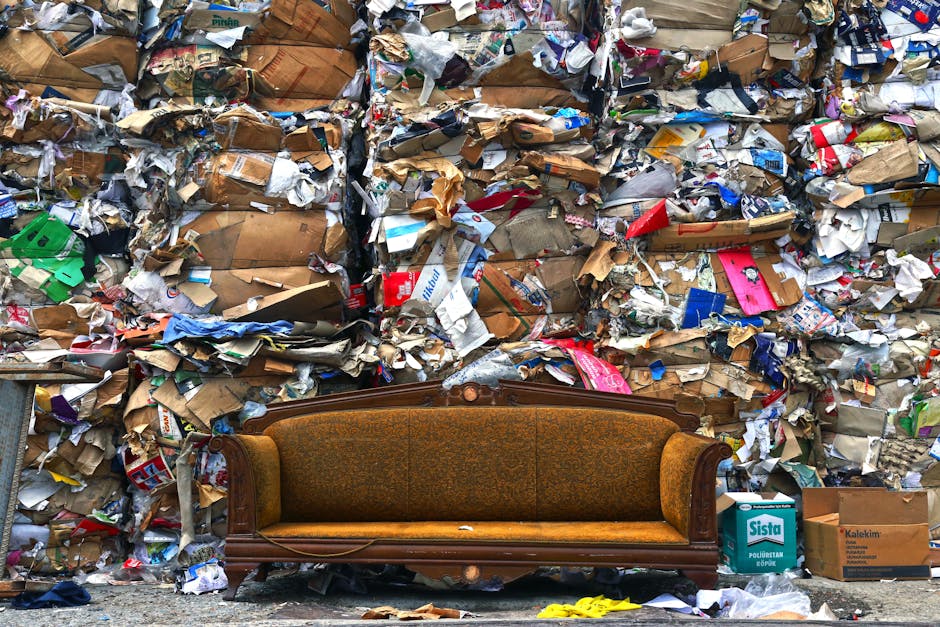
How much does sofa disposal cost in Notting Hill?
Posted on 07/05/2026
If you are trying to clear an old sofa from a flat, townhouse, shop unit, or office in west London, the first question is usually the same: how much does sofa disposal cost in Notting Hill? Fair question. Sofas are bulky, awkward to carry, and rarely fit neatly into a normal rubbish run. Add narrow stairwells, parking constraints, and the usual Notting Hill mix of period conversions and compact access, and the price can move around a bit.
This guide breaks down the real cost factors in plain English. You will see what typically changes the price, how professional sofa collection usually works, where people overspend, and how to choose the right service without paying for more than you need. If you want a broader look at local waste handling, you can also explore the services overview and the company's pricing and quotes page for more context.
Truth be told, the cost of sofa disposal is not just about the sofa itself. It is about access, labour, disposal route, and whether the item can be reused or recycled. That is where the real difference shows up.

Why sofa disposal costs matter in Notting Hill
In Notting Hill, furniture removal is often less straightforward than people expect. Many homes sit in mansion blocks, upper-floor conversions, or properties with tight internal stairs. Some roads are busier than they look on a map. Parking can be awkward, loading can take longer than planned, and that extra time can affect the price. So when someone asks about sofa disposal cost, what they are really asking is: what will the job need on the day?
That matters because a cheap-looking quote can become expensive if it excludes carrying, access issues, or disposal fees. On the other hand, an accurate quote can save you a lot of faff and a few sore shoulders. If you are managing a property move or a broader clear-out, it may also be worth looking at related local services such as house clearance in Notting Hill or furniture disposal in Notting Hill, depending on whether you are removing one item or several.
There is also a practical side to this. Sofas are awkward items to dump illegally, and abandoned furniture is a real nuisance outside homes and businesses. Nobody wants a broken armchair sitting by the bins for two days in the rain. Not exactly a charming Notting Hill scene.
Expert summary: in Notting Hill, sofa disposal pricing is usually shaped more by logistics than by the sofa's original value. Access, labour, and disposal route tend to decide the final number.
How sofa disposal works
Most professional sofa disposal jobs follow a fairly simple process, though the details matter. You request a quote, describe the sofa, share photos if asked, and explain where it needs collecting from. The provider then estimates labour, transport, and disposal or recycling costs. If the item is difficult to access, they may factor in extra time or a second person.
A standard sofa collection normally includes:
- arrival at an agreed time window
- lifting and removal from the property
- loading onto a vehicle
- sorting for reuse, recycling, or responsible disposal
- confirmation once the job is complete
For many people, the main surprise is access. A sofa from a ground-floor flat is one thing. A three-seater that has to be twisted down a narrow stairwell, past a hallway lamp and a stubborn banister, is something else entirely. That is where a quote can shift.
If the sofa is still usable, some firms may try to route it through reuse or recycling channels first. That is generally a better outcome than sending every piece straight to disposal. It can also help keep the price more sensible. Local sustainability information is set out on the recycling and sustainability page, which is worth reading if you care about where your old furniture ends up.
Key benefits and practical advantages
Paying for professional sofa disposal is not just about convenience, although convenience is a big part of it. There are a few practical advantages that matter in a place like Notting Hill.
- Less risk of damage: moving a bulky sofa through a tight staircase can be risky for walls, flooring, and your back.
- Faster clearance: a team can usually do in minutes what might take you all afternoon.
- Better compliance: a reputable collection route helps reduce the risk of fly-tipping or improper disposal.
- Cleaner property handovers: useful when you are moving out, letting, or refurbishing.
- Less stress: honestly, that matters more than people admit.
In a local area with a lot of residential turnover, upgrades, and refurbishments, furniture disposal often forms part of a wider project. A landlord might need one sofa removed between tenants. A homeowner may be replacing a worn suite before a sale. A business might be clearing a lounge area. In those cases, combining removal with other services can be more efficient than booking each job separately. For example, office or mixed-use premises may benefit from office clearance in Notting Hill or broader waste collection in Notting Hill.
Who this is for and when it makes sense
Sofa disposal is relevant to more people than you might think. It is not only for people who have bought a new sofa and need the old one gone by Friday.
This service makes sense if you are:
- moving house and do not want to take the old sofa with you
- replacing damaged or stained furniture
- clearing a rental property between tenancies
- preparing a home for sale or staging
- updating a short-let or guest property
- closing, refitting, or refreshing a commercial space
It is also a sensible option if you do not have a suitable vehicle, cannot safely lift the item, or simply do not want to spend your weekend wrestling with upholstery and sharp corners. Let's be honest, few people do.
For those planning broader local changes, Notting Hill property and neighbourhood guides can be useful context. The site's guide to buying Notting Hill property and residential prospects and local advice both help explain why access, layout, and property type matter so much in this area.
Step-by-step guidance
If you want to keep sofa disposal simple and avoid surprise fees, a clear process helps. Here is the approach that usually works best.
- Identify the sofa type. Is it a two-seater, corner sofa, sofa bed, modular set, or recliner? Bigger and heavier usually means more labour.
- Check access carefully. Note stairs, tight bends, lifts, parking restrictions, and whether the sofa needs dismantling.
- Take clear photos. A few wide shots from different angles can help a provider give a more accurate quote.
- Say what else is going. If you are disposing of tables, chairs, or bedding too, mention it early. Bundled collections are often simpler.
- Ask what the quote includes. Labour, loading, disposal, recycling, congestion-related delays, and VAT if relevant should be clear.
- Prepare the route. Remove loose items, open doors, and make the path as clear as possible.
- Confirm the collection window. In a busy area, timing matters. A morning slot can be easier if parking is tight.
Here is the thing: a good quote depends on good information. If you leave out access details, you may get a number that looks fine on paper but changes on site. Nobody enjoys that conversation.
Expert tips for better results
A few small decisions can lower costs or at least stop them creeping up. These are the sort of practical details people often miss the first time round.
- Send photos before booking. Not after. Before. It saves time and reduces misunderstandings.
- Measure the sofa and the route. A sofa that fits the room may still snag on a corner or banister.
- Ask about dismantling. Some sofa beds or sectional pieces are easier to remove if separated first.
- Combine items where sensible. One collection with a sofa, two chairs, and a small table can be more efficient than three separate visits.
- Be realistic about access. If parking is awkward or the property is on an upper floor, mention it clearly.
- Choose reuse or recycling where possible. It is often better for the environment and may support a smoother disposal route.
A small but useful tip: if you are clearing a flat near Westbourne Grove on a Friday afternoon, allow extra time. The streets can feel very different by then, and what looked like a quick job in the morning can become a bit more fiddly. That's just London, really.
For safety-related planning, the company's insurance and safety page is a sensible read, especially if the sofa is heavy, awkward, or located somewhere tricky.

Common mistakes to avoid
Most sofa disposal headaches come from a handful of avoidable mistakes. Nothing dramatic, just the sort of thing that bumps the price or causes delays.
- Getting a quote from a vague description. "Just a sofa" is not enough if it is a sofa bed with a broken frame.
- Ignoring access constraints. Narrow stairs and no parking are not minor details; they are pricing details.
- Forgetting extra items. If a chair, rug, or ottoman is going too, say so early.
- Assuming all disposal routes are the same. Reuse, recycling, and disposal are not identical, and the route affects cost.
- Leaving collection prep too late. If the sofa still has cushions, loose screws, or trapped items, sorting that on the day slows everything down.
- Choosing the cheapest quote without checking what is included. That can backfire fast.
Another common one: people underestimate the emotional side. Clearing an old sofa can feel oddly final, especially if it has been in the same room for years. Small thing, but real. Taking a moment to plan the replacement or re-layout can make the process feel less like a loss and more like a reset.
Tools, resources and recommendations
You do not need fancy equipment for sofa disposal, but a few practical tools make the job easier and safer.
- Measuring tape: to check doorways, hallways, and stair turns.
- Phone camera: for photos that help with quoting.
- Protective gloves: useful if you are moving cushions or clearing the route.
- Basic screwdriver or hex key: helpful if the sofa can be partially dismantled.
- Clear floor space: not a tool exactly, but very useful.
If you are comparing services, ask whether the provider handles one-off furniture jobs or larger collections. Some customers only need a single item removed; others are better served by a wider clearance. A broader overview of service options can be found on the furniture disposal, house clearance, and builders waste disposal pages, depending on the project.
For customers who value straightforward administration, the company's payment and security information can also be helpful before confirming a booking.
Law, compliance, standards, and best practice
For sofa disposal in the UK, the key point is simple: waste should be handled responsibly and passed through appropriate disposal or recycling routes. You do not want your old sofa ending up abandoned at the kerb or handled by someone who cannot explain where it goes next. That is where trust matters.
While this article is not legal advice, a few best-practice points are worth keeping in mind:
- use a provider that is transparent about how items are handled
- make sure the collection process is safe for both the property and the crew
- ask what happens to reusable furniture
- keep records of the job if you are a landlord, agent, or business
- check terms before booking so you understand what is included
If you are a commercial customer or managing a premises in Notting Hill, compliance and housekeeping matter even more. It is often worth reviewing terms and conditions before arranging a collection, especially if access, timing, or liability need to be clear.
There is also a sustainability angle here. Responsible furniture handling helps reduce waste and can support reuse where possible. That may sound like a small win, but lots of small wins add up. And in a busy London neighbourhood, that matters.
Options, methods, and comparison table
Not every sofa needs the same disposal route. The best option depends on condition, urgency, and how much help you need. Here is a simple comparison to make the choice easier.
| Method | Best for | Typical pros | Typical drawbacks |
|---|---|---|---|
| Professional sofa collection | Most homes and businesses | Fast, convenient, handled for you | Cost varies with access and labour |
| Reuse or donation route | Usable sofas in decent condition | Good environmental outcome, may feel more worthwhile | Not suitable for damaged or unhygienic items |
| Self-removal to a disposal site | People with the right vehicle and lifting help | Potentially lower direct cost | Time-consuming, physically demanding, parking and loading issues |
| Full property clearance | Multiple items or end-of-tenancy jobs | Efficient for larger clear-outs | Usually more expensive than one-item removal |
In practical terms, most Notting Hill residents choose professional collection because the access and parking hassle can outweigh the savings of doing it themselves. If you are already juggling work, a move, or a tenancy deadline, that convenience can be worth it.
Case study or real-world example
Picture a common Notting Hill scenario. A couple in a first-floor flat near a busy residential street wants to replace a large two-seat sofa before guests arrive at the weekend. The old sofa is still usable, but it is bulky and awkward, and the hallway has one sharp turn that makes lifting tricky.
They start by measuring the sofa and the stairwell, then send photos with the quote request. The provider sees that access is tight but manageable, and the job is priced accordingly. Because the item is only one sofa and the route is clear, the collection is fairly straightforward. The crew arrives, removes the sofa without damaging the walls, and the flat is clear in a short visit. The couple avoids hiring a van, avoids lifting it themselves, and avoids the small disaster of trying to wedge it into a car that was never meant for the task.
Now compare that with a less organised version. Same sofa, same flat, but no photos, no access details, and a last-minute booking. Suddenly the team arrives to discover a narrow staircase, no parking space, and a sofa that needs dismantling. The price is higher because the job is harder. Not outrageous, just different. That is why accurate information saves money.
For related local context, the site's posts on Notting Hill housing purchases and a Westbourne Grove shop waste removal case study show how property type and premises layout can affect clearance planning.
Practical checklist
Before you book sofa disposal, run through this list. It only takes a few minutes.
- Measure the sofa, including length, depth, and height
- Check the stairwell, lift, hallway, and doorway widths
- Take clear photos from different angles
- Note whether the sofa is a sofa bed, recliner, or modular piece
- Confirm if any dismantling is needed
- List any extra items to be removed
- Check parking or loading access near the property
- Ask what is included in the price
- Review the provider's safety, payment, and terms information
- Choose the collection window that suits access best
Quick takeaway: the more accurate your information, the more accurate the quote. Simple as that.
Conclusion
So, how much does sofa disposal cost in Notting Hill? The honest answer is that it depends on the size of the sofa, the access to your property, the labour required, and whether the item can be reused or recycled rather than treated as straightforward waste. In a neighbourhood like Notting Hill, where property layouts and street access vary so much, those details can matter a lot.
If you want the best value, do not just compare prices. Compare what each quote includes, how clearly the provider explains the process, and whether the collection can be done safely and responsibly. That approach usually leads to a smoother, less stressful result. And that, in the end, is what most people really want.
Get a free quote today and see how much you can save.
If you are still deciding, start with photos, measurements, and a clear list of what needs removing. A little preparation goes a long way, and it often turns a headache into a tidy, uneventful job - which is exactly what you want.