Kensington & Chelsea bulky waste rules for Notting Hill
Posted on 18/06/2026
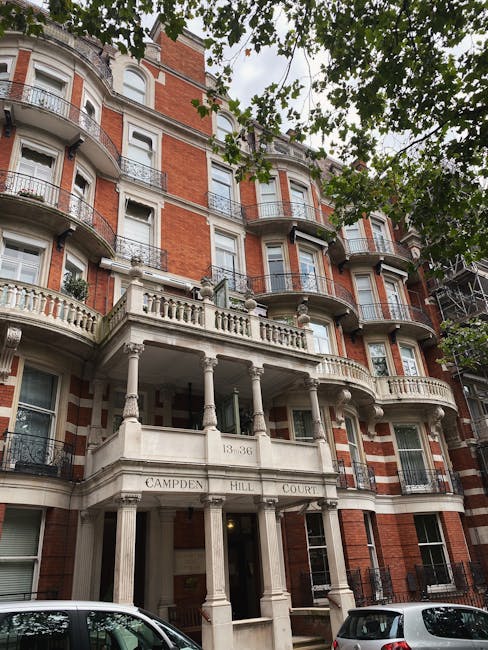
Kensington & Chelsea bulky waste rules for Notting Hill: a practical local guide
If you live in Notting Hill and need to get rid of a mattress, sofa, broken wardrobe, or a pile of awkward household items, the rules can feel oddly fuzzy at first. One neighbour says "just leave it out," another says you need to book something, and suddenly a simple clear-out becomes a small project. This guide explains the Kensington & Chelsea bulky waste rules for Notting Hill in plain English, with the practical bits that matter most: what counts as bulky waste, how collections usually work, what to avoid, and when a private removal service makes more sense.
Truth be told, bulky waste is one of those topics people only think about when they are already standing in a hallway full of furniture. So let's make it easier. You will get a sensible, local overview here, plus a few grounded tips for flats, managed estates, tenancy moves, and those slightly awkward "where on earth does this go?" items.
- Why the rules matter in Notting Hill
- How bulky waste collection works
- Key benefits and practical advantages
- Who needs this and when it makes sense
- Step-by-step guidance
- Expert tips for better results
- Common mistakes to avoid
- Tools, resources and recommendations
- Law, compliance and best practice
- Options and comparison table
- Real-world example
- Practical checklist
- Conclusion
- Frequently asked questions
Why Kensington & Chelsea bulky waste rules for Notting Hill Matters
In a place like Notting Hill, bulky waste is never just "rubbish." It is usually a mix of limited pavement space, shared entrances, conservation-style streets, busy residents, and building management rules. That means a sofa left in the wrong place can become a nuisance quickly. It can also create a trip hazard, block bins, upset neighbours, or trigger a charge if it is treated as fly-tipping or an unauthorised dump.
The main reason the rules matter is simple: they help you avoid delays, complaints, and avoidable costs. A lot of people think bulky waste can be handled the same way everywhere in London. It can't, really. Local collection arrangements, estate policies, and building access constraints shape what is practical in Notting Hill.
This is especially true if you live in a flat, a mansion block, a managed estate, or a townhouse conversion where the front path is narrow and the stairs are tight. The logistics matter as much as the disposal method. A bulky item that is easy to carry in a suburban driveway can become a genuine headache on a busy W11 street at 8:00 on a weekday morning.
If you are planning a move, a renovation, or a post-tenant clear-out, this topic is worth getting right early. You can save yourself time, reduce stress, and in many cases cut down on handling and lifting. For broader local context on everyday life and property logistics in the area, some readers also find our pieces on Notting Hill residential prospects and local advice and buying property in Notting Hill useful.
How Kensington & Chelsea bulky waste rules for Notting Hill Works
Bulky waste usually means large household items that cannot go into normal day-to-day bins. That may include sofas, armchairs, wardrobes, bed frames, mattresses, tables, carpets in manageable rolls, white goods, and similar items. Some materials are accepted more easily than others, and some items need extra care because of weight, dismantling, contamination, or hazardous components.
In practical terms, there are usually three broad routes:
- Arrange a local authority-style collection if that service is available to you and your item type is accepted.
- Use a private bulky waste removal service when speed, access, quantity, or building restrictions make that the cleaner option.
- Reuse, donate, or separate items for recycling where they are still in usable condition or can be broken down sensibly.
The key thing to understand is that Notting Hill properties often add an access layer that people outside the area underestimate. Where do you put the item before collection? Can it safely reach the pavement? Does the building require advance notice? Is there a concierge, loading bay, or resident permit issue to factor in? These little details decide how smooth the process feels.
That is why people often compare options rather than relying on a single method. A one-off collection may be perfect for a single item, while a full flat clearance is usually a different animal entirely. If you are dealing with sofas specifically, it may help to read how much sofa disposal costs in Notting Hill before choosing a route.
Key Benefits and Practical Advantages
Getting bulky waste handled properly is not just about compliance. There are some very real day-to-day benefits, especially in a dense area like Notting Hill.
- Cleaner shared spaces: communal hallways, front steps, and bin stores stay usable.
- Less risk of complaints: neighbours and building managers are much less likely to chase you about items left out at the wrong time.
- Better safety: fewer trip hazards, less manual handling risk, and less clutter near entrances.
- Smoother moves and exits: handy when you are ending a tenancy or handing over keys.
- Faster turnaround: particularly helpful if you are preparing a flat for sale, rent, or refurbishment.
- More recycling potential: separating reusable or recyclable materials can reduce waste sent for disposal.
There is also a mental benefit, and people don't mention it enough. A cleared space feels calmer. You hear the echo in the room again. You can move without edging around a broken bedside cabinet. Small thing, but it changes how a property feels. A Sunday afternoon clear-out can quietly reset the whole place.
For readers interested in sustainability and careful disposal choices, our recycling and sustainability page gives a useful wider view of responsible waste handling.
Who This Is For and When It Makes Sense
This guide is useful if you are any of the following:
- a homeowner replacing old furniture
- a tenant at the end of a tenancy
- a landlord or letting agent preparing a property
- a property manager dealing with communal storage or abandoned items
- a business owner clearing office furniture or fit-out leftovers
- someone handling a house clearance after a move or life event
It also makes sense if you are dealing with a mixed waste situation. For example, maybe you have a sofa, a broken bedside table, a box of packaging, and a few garden items from a small patio. That is where the line between "bulky waste" and "regular rubbish" gets blurrier, and planning ahead really helps.
In our experience, the people who benefit most are the ones under time pressure. Tenancy ends. Completion date lands. A builder wants the room clear before work starts. Or the estate manager says the hallway must be empty by noon. Those are the moments when you need a straightforward, realistic plan, not a vague promise.
If you are juggling a move or refurb, you may also find urgent rubbish pickup after tenancy exit in Notting Hill W11 relevant, especially when timing is tight.
Step-by-Step Guidance
Here is the simplest way to deal with bulky waste in Notting Hill without creating extra work for yourself.
- List every item clearly. Write down what needs to go, including whether it dismantles, whether it is heavy, and whether it contains glass, wiring, or liquids.
- Check access. Think about stairs, lift size, corridor width, parking, loading restrictions, and any building rules. This is often the difference between a ten-minute job and a frustrating morning.
- Separate reusable and recyclable items. A decent table leg, metal bed frame, or clean wood panel may be handled differently from upholstered waste or mixed material waste.
- Decide on timing. Do you need same day, next day, or can you wait for a scheduled slot? If it is near a moving date, choose the safest buffer you can.
- Measure large items. Sofa widths, mattress sizes, and wardrobe heights matter more than people think. Nobody enjoys discovering a corner won't turn.
- Choose your route. Local collection for simple jobs, private removal for speed or complexity, and clearance services for larger mixed loads.
- Prepare the items. Empty drawers, tape loose doors, remove personal belongings, and keep walkways clear. A little prep saves a lot of faff.
- Confirm the handover point. Make sure everyone involved knows whether items are staying inside, going to a courtyard, or being moved to the pavement at a specific time.
One small but important point: do not assume that "outside the building" is enough. In many Notting Hill settings, leaving items in a shared passage or near bins can cause issues fast. Better to be clear than apologetic later.
Expert Tips for Better Results
A few practical habits make bulky waste handling far smoother in this part of London.
- Photograph items before booking. Not because anyone is being fussy, but because photos help avoid miscommunication about size, condition, and access.
- Dismantle what you can safely dismantle. A flat-pack wardrobe in pieces is easier than an intact one. Just don't start a DIY project with a blunt screwdriver and a bad mood.
- Protect communal areas. If items need to be moved through shared halls, lay down protection where appropriate and keep the route clear.
- Bundle similar materials together. Group wood, metal, cardboard, and upholstery separately where possible. It often improves recycling outcomes.
- Plan around busy hours. Early morning or calmer midday slots can be less stressful than trying to do everything while the street is congested.
If you are managing a longer list of items, our house clearance in Notting Hill page is a good fit for fuller property clear-outs. For items with a furniture focus, furniture disposal in Notting Hill is more directly relevant.
And if your situation is more commercial than residential, office furniture and fit-out leftovers may be better handled via office clearance in Notting Hill. Different job, different rhythm.

Common Mistakes to Avoid
Most bulky waste problems are preventable. The same few mistakes crop up again and again.
- Leaving items out too early. This can lead to complaints, obstruction, or weather damage.
- Underestimating weight and access. A heavy sofa on a narrow staircase is not a casual two-person job.
- Mixing hazardous items in with general bulky waste. Paint, chemicals, batteries, and similar materials need separate care.
- Forgetting building rules. Some blocks require notice to management or specific collection times.
- Assuming all items are accepted together. A mattress, fridge, and garden waste may not follow the same route.
- Not checking whether the item can be reused or recycled first. Disposal should usually be the last step, not the first instinct.
Let's face it, a rushed clear-out can make smart people do odd things. The trick is to pause long enough to sort the load properly before anyone starts carrying.
Tools, Resources and Recommendations
You do not need a huge toolkit, but a few basics make the process much easier.
- Tape measure: useful for checking sofa widths, mattress sizes, and doorway clearance.
- Gloves: especially helpful for old furniture, sharp edges, or dusty storage items.
- Marker pen and labels: good for tagging keep, donate, recycle, and dispose piles.
- Basic screwdriver or Allen key set: ideal for taking apart beds, tables, and modular furniture safely.
- Phone camera: keeps a record of items and access constraints before the job starts.
On the service side, it helps to think in categories rather than random items. If the load is mostly domestic furniture, waste collection in Notting Hill may suit a mixed removal job. If the waste is mainly garden-related, use garden waste removal in Notting Hill. If the load is from construction or refurbishment, the right fit is usually builders waste disposal in Notting Hill.
For readers who like the broader picture, our services overview is a useful starting point. And if you are comparing costs or scope, it can also help to review pricing and quotes so you know what kind of information to prepare.
Law, Compliance, Standards, or Best Practice
Bulky waste handling is not only about convenience; it also sits within basic waste-duty expectations. In the UK, waste should be transferred and handled responsibly, and people are generally expected not to abandon bulky items in public or communal areas. That sounds obvious, but in practice it is where problems begin.
Best practice usually means:
- keeping waste on your own property until the agreed collection time where possible
- confirming whether the waste holder or building manager has any specific requirements
- separating recyclable materials where practical
- ensuring collection takes place through an appropriate and traceable service
- avoiding any arrangement that looks like fly-tipping or unauthorised dumping
If a property is managed, leasehold, or part of a larger estate, there may be additional rules set by the managing agent or freeholder. Those can be stricter than general local expectations. Nothing dramatic. Just the usual London reality of shared spaces and multiple decision-makers.
Expert summary: In Notting Hill, the safest bulky waste plan is the one that respects access, neighbours, and timing as much as it respects disposal itself. If you can keep the process tidy, documented, and well-timed, you avoid most of the common headaches.
For people who care about service reliability and sensible handling standards, our insurance and safety page explains the kind of precautions that matter in real-world collections.
Options, Methods, or Comparison Table
Different bulky waste situations call for different methods. Here is a practical comparison.
| Method | Best for | Advantages | Watch-outs |
|---|---|---|---|
| Local bulky waste collection | Simple domestic items, flexible timing | Often straightforward and suitable for a small number of items | May have item restrictions, timing limits, or access conditions |
| Private bulky waste removal | Urgent jobs, stairs, multiple items, narrow access | Fast, flexible, and useful where building logistics are awkward | Pricing depends on load size, labour, and route complexity |
| House or flat clearance | Whole rooms, tenancy exits, deceased estates, refurb prep | Efficient for larger mixed loads and full-property clear-outs | Needs more planning and a clearer item list |
| Reuse, donation, or recycling | Usable furniture or separable materials | Can reduce waste and keep good items in circulation | Not every item is suitable; condition matters |
For example, a single bed frame might be simple enough to dismantle and move with a scheduled collection. A full three-bedroom flat with mixed furniture, old carpets, and a few leftover builder bags is a different story altogether. One size really does not fit all here.
Case Study or Real-World Example
A fairly typical Notting Hill scenario goes like this. A tenant is due out on Friday, the inventory check is booked for Saturday morning, and the flat still has a bulky sofa, a mattress, and several pieces of old shelving. The building has a shared entrance, limited space near the pavement, and neighbours who are understandably not thrilled by clutter in the hall.
The first instinct is often to panic a little, then rush. But the better approach is calmer: measure the items, separate what can be reused, photograph the access route, and confirm the earliest practical collection slot. If the furniture needs to come down multiple floors, the job is no longer just about dumping items; it is about coordinating the lift, the hallway, and the timing so nothing gets damaged.
In that kind of situation, the value of a specialist removal team is not just speed. It is judgment. Which item should come out first? What needs dismantling before moving? Can the hallway stay clear for other residents? Those are the small calls that save the day. It sounds ordinary, but that's the job.
For similar timing pressure, our article on same-day bulky waste removal in Notting Hill covers the kind of situations where speed becomes the deciding factor.
Practical Checklist
Use this checklist before any bulky waste collection in Notting Hill.
- List every item that needs removing.
- Check whether any item can be reused, donated, or recycled.
- Measure large furniture and key access points.
- Confirm whether the building has notice requirements or time restrictions.
- Decide if items should be dismantled before collection.
- Keep hallways, stairwells, and communal areas clear.
- Remove personal items from drawers, cupboards, and pockets.
- Separate hazardous materials and do not mix them with general bulky waste.
- Arrange parking or access details in advance if needed.
- Take photos of the items and access route for reference.
If you can tick all of those off, you are already ahead of most rushed clear-outs. Seriously, that bit alone prevents a lot of last-minute nonsense.
Get a free quote today and see how much you can save.
Conclusion
Kensington & Chelsea bulky waste rules for Notting Hill are easier to handle once you stop thinking of them as just "waste" and start thinking of them as a local logistics task. The right approach depends on what you are removing, where you live, how quickly it needs to go, and how tricky the access is. In a neighbourhood of flats, conversions, estates, and busy streets, those details matter more than people expect.
Handled well, bulky waste removal becomes one of those small wins that makes the whole property feel more manageable. The hallway clears. The room breathes again. The move gets easier. And, to be fair, that is a pretty good result for a job most people would rather not think about twice.
For a smoother next step, choose the method that fits the item, the building, and the timing, not just the cheapest-looking option. That is usually where the real saving is.

 Tipper Van - Rubbish Removal and Waste Collection Prices in Notting Hill, W10
 Luton Van - Rubbish Removal and Waste Collection Prices in Notting Hill, W10


